Walk into a room that feels professionally designed and you'll often find two layers at the window: a functional shade at the glass and drapery framing it. Each layer does a different job, and together they give you more control, comfort and style than either one alone.
What each layer does
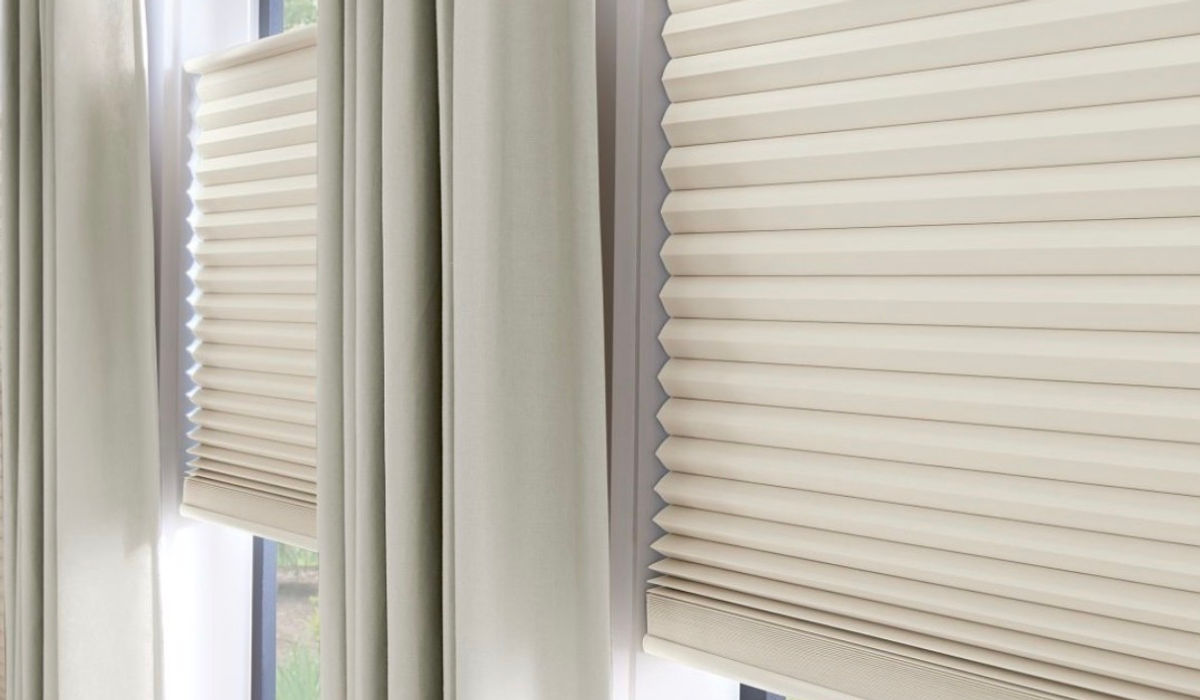
The shade handles daily light control and privacy. The drapery adds softness, color and pattern, frames the window and adds insulation. You raise and lower the shade every day, and the drapery can be stationary or close at night.
Best combinations
- Living rooms: top-down/bottom-up cellular shades with pleated drapery panels.
- Dining rooms: Roman shades with patterned side panels, a classic Layla combination.
- Bedrooms: blackout shades under blackout-lined drapery for real darkness.
- View rooms: solar shades for daytime glare, drapery for evening warmth.
- Natural spaces: woven wood shades with linen drapery.
Energy savings
Two layers trap more air at the window. A cellular shade under thermal-lined drapery is one of the most effective ways to keep rooms comfortable through a Spokane winter and summer.
Getting the details right
The shade is usually mounted inside the window frame and the drapery hardware above and outside it, so the layers don't fight. Colors should relate without matching exactly, and the drapery should stack beside the glass so the shade still has room to work. See how high and wide to hang curtains.
Layering in historic and modern homes
In historic homes, a Roman or wood blind under tailored drapery respects original trim. In modern homes, a slim solar or roller shade under ripplefold drapery keeps lines clean. The principle is the same; only the details change.